Indian mutton export quality standards
Carcass weight bands, fat cover, chilled versus frozen, and the specifications Gulf wholesalers actually use.
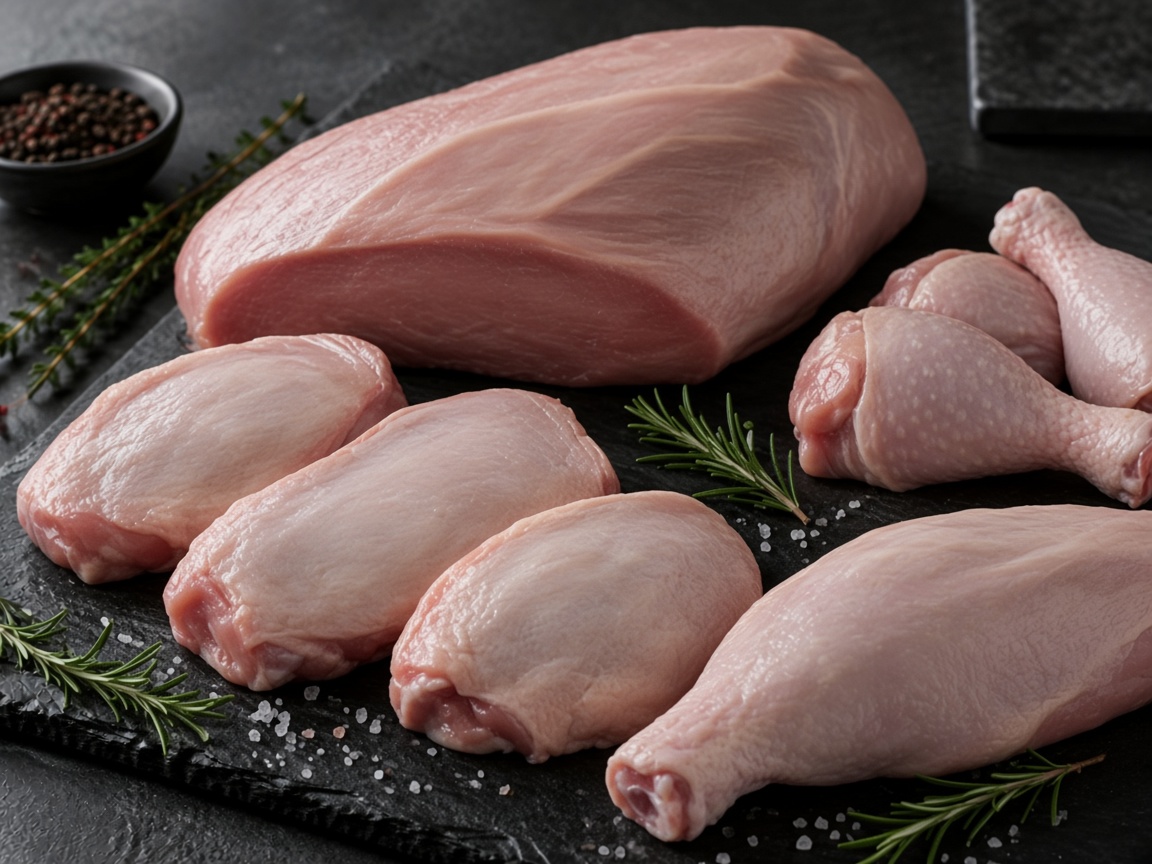
Mutton for export from India is sheep and goat — not lamb in the European classification sense. The species matters because regulatory certificates specify it. GCC buyers generally accept both sheep and goat mutton; some retail specifications call for sheep only. Confirm species requirement before production.
Chilled carcasses travel at 0–4°C on air freight. Weight bands are agreed before slaughter — typically 8–12 kg, 12–16 kg, or as specified. Fat cover and dressing standard are discussed at the enquiry stage. Vacuum packing is standard for carcasses. Stockinette over vacuum is used for high-end wholesale.
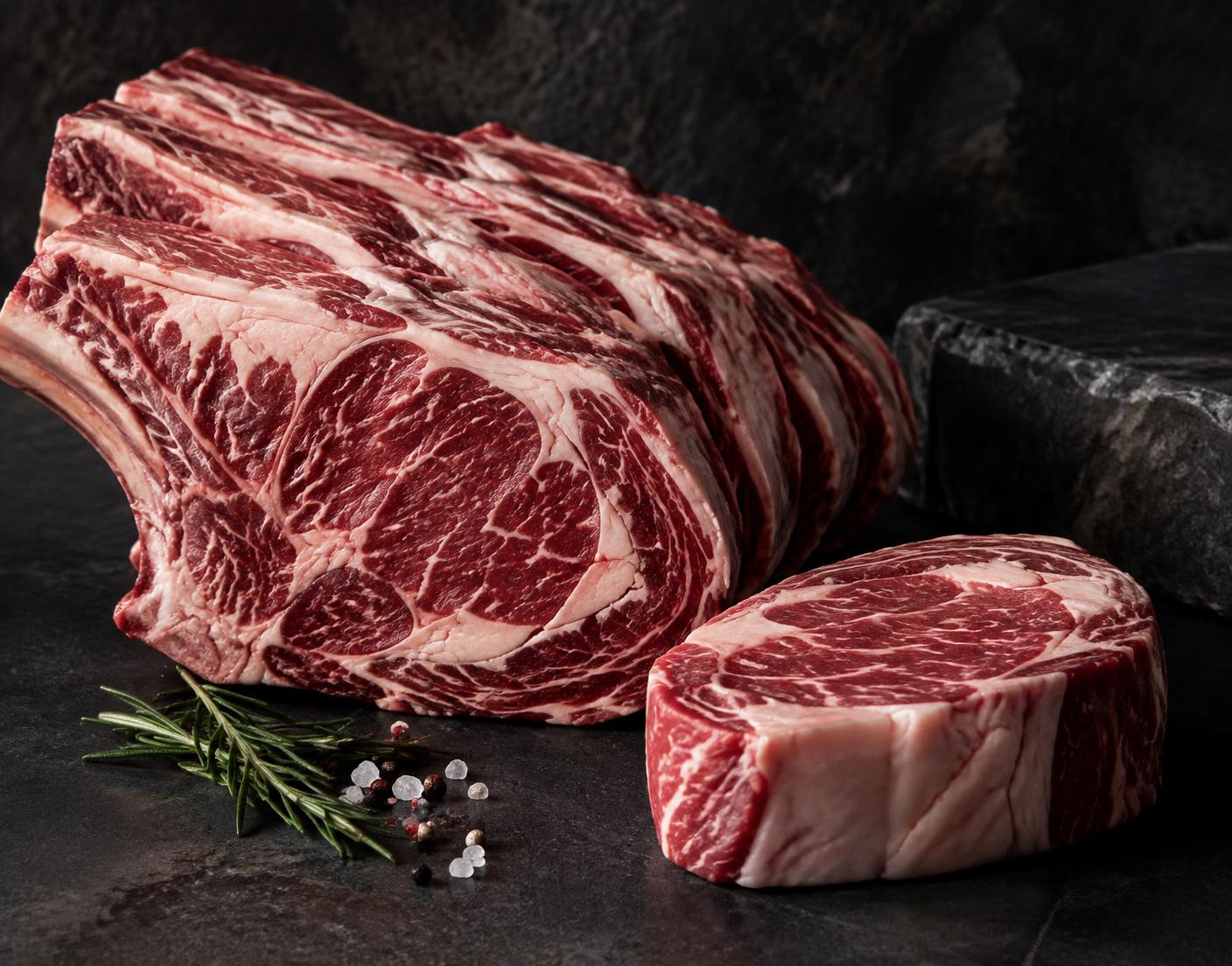
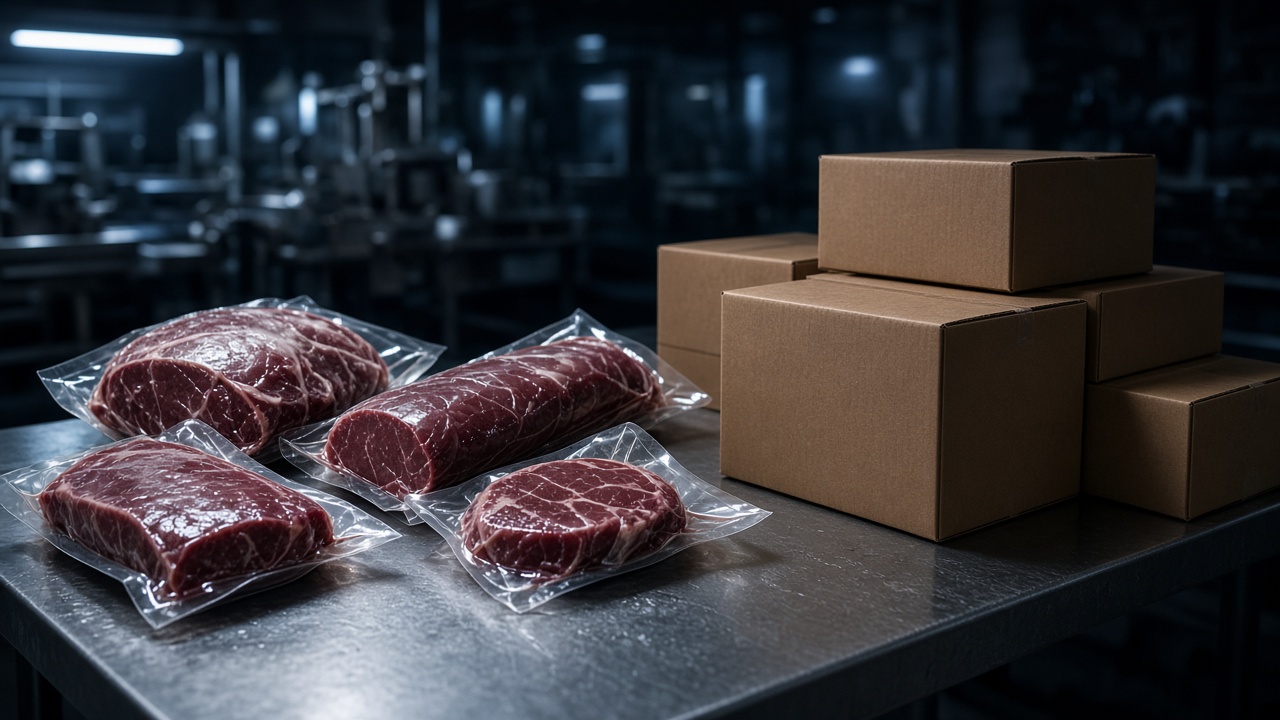
Frozen mutton cubes and six-way cuts travel at −18°C on sea freight. Cube size (commonly 2–4 cm), bone-in ratio and fat trim are locked in the specification. Carton weight, inner pack format and label language are confirmed before the lot is packed. This is not a commodity product — it is a programme product.
Quality failure in mutton export almost always traces to specification drift: the first shipment matches the sample, subsequent lots do not. We address this by requiring the specification to be written before the first lot and verified on each subsequent booking.
Ready to source?
Send this brief with your volume and destination.
Trade enquiry
Send a trade brief.
Use the checklist. Name meat, mutton or buffalo and the destination.