Meat import guide for Oman, Qatar and Kuwait
Three GCC markets with distinct import authority requirements — practical differences for Indian suppliers.
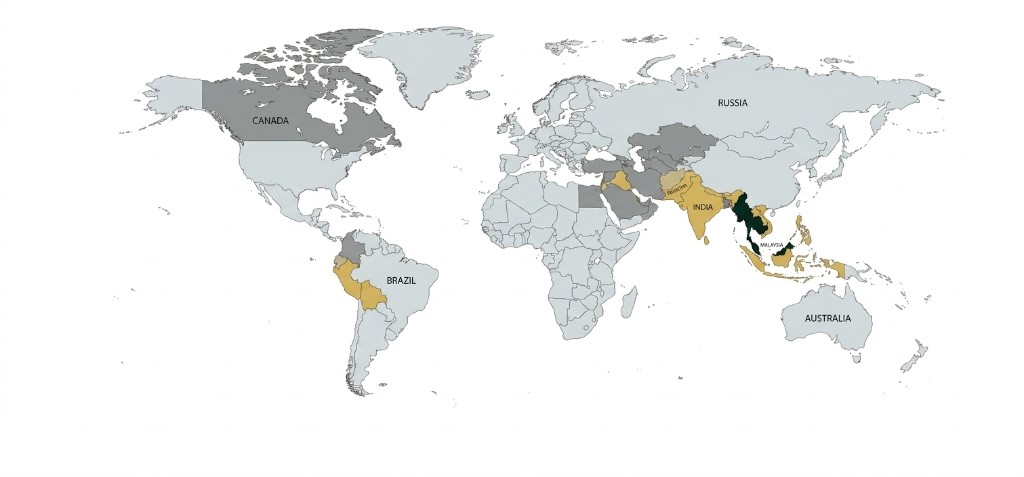
Oman: Imports are regulated by the Ministry of Agriculture, Fisheries and Water Resources. The Halal certifying body must be recognised by Oman's official authority. Labels must include Arabic text. Muscat port handles the majority of Indian meat consignments. Oman's import volumes are smaller than UAE but the buyer profile is similar — wholesalers, hotel groups and institutional catering.
Qatar: The Ministry of Public Health and the Ministry of Commerce regulate food imports. Qatar Central Laboratories (QCL) may carry out testing at the port of entry. Post-2022 World Cup, Qatar's food safety standards have been tightened. Halal certification must come from a MOPH-approved body. Buffer stock requirements for food imports mean larger order volumes are common.
Kuwait: The Public Authority for Food and Nutrition (PAFN) is the primary food safety regulator. Kuwait's approved Halal body list is maintained separately from UAE and Saudi Arabia. Import permit requirements apply. Kuwait is a high-volume importer of Indian buffalo for the institutional and restaurant sector.
For all three markets, the principle is the same: confirm the Halal certifying body acceptance before production, match documents to physical lot exactly, and maintain unbroken cold chain from plant to cold store at destination.
Ready to source?
Send this brief with your volume and destination.


Trade enquiry
Send a trade brief.
Use the checklist. Name meat, mutton or buffalo and the destination.